Aerolíneas Argentinas Adds Four Airbus A330neo and 14 737 MAX 9 & 10 in Self-Financed Fleet Plan
Following a positive EBIT in 2024, Aerolíneas Argentinas commits to leasing 18 new planes. The MAX 9 and 10 will serve dense routes, while the A330neo takes over long-haul duties.
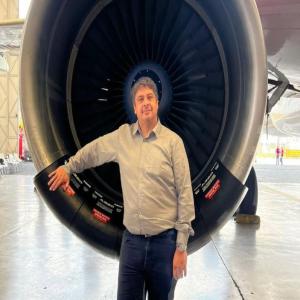

- Aerolíneas Argentinas financiará con fondos propios la incorporación de 18 aeronaves (4 A330neo y 14 Boeing 737 MAX) para renovar su flota y ampliar capacidad regional y doméstica.
- La aerolínea usará contratos de leasing operativo para mantener flexibilidad financiera mientras actualiza equipos y cabinas; contempla más de 65 millones de dólares para retrofits y conectividad.
- Los cuatro A330neo reemplazarán y homogeneizarán la flota de fuselaje ancho (A330ceo), ofreciendo hasta 25% menos consumo de combustible por asiento y capacidad cercana a 300 pasajeros.
- Los 14 Boeing 737 MAX se dividen en 2 MAX 8, 4 MAX 9 y 8 MAX 10; los MAX 9 y 10 se incorporan por primera vez para rutas de alta densidad, con capacidades aproximadas de 190 y hasta 210 pasajeros respectivamente.
- La compañía cerró 2024 con un EBIT positivo de 56.6 millones de dólares y proyecta duplicarlo en 2025; 2025 será el primer año sin aportes del Tesoro desde la recuperación estatal.
- El plan incluye instalación de Wi‑Fi a bordo: fase inicial en 2027 para A330, luego extensión a 737 y Embraer 190.
A new investment scheme projected to be executed with proprietary funds will allow Aerolíneas Argentinas to add 18 aircraft to its operation, covering the renewal of its long-haul fleet and the expansion of capacity on domestic and regional routes.
The initiative contemplates the arrival of four Airbus A330neo and 14 Boeing 737 MAX of different variants, along with an outlay exceeding 65 million dollars destined for cabin retrofits and connectivity systems.
According to details released by the carrier, this move seeks to consolidate its profitability and market-positioning strategy through the use of operating leases. This financial instrument provides the necessary flexibility to update equipment without compromising the company's financial solidity.
- ¿Qué aeronaves incorporará Aerolíneas Argentinas?
Incorporará cuatro Airbus A330neo y catorce Boeing 737 MAX (2 MAX 8, 4 MAX 9 y 8 MAX 10).
- ¿Cómo se financiará la compra de los aviones?
El plan se ejecutará con fondos propios de la compañía y mediante contratos de leasing operativo para las aeronaves.
- ¿Qué beneficios trae el A330neo respecto a modelos anteriores?
Ofrece hasta 25% menos consumo de combustible por asiento y una capacidad cercana a 300 pasajeros, además de compartir plataforma de repuestos y entrenamiento con el A330ceo existente.
- ¿Cuándo comenzará la instalación de Wi‑Fi en la flota?
La primera fase de instalación de Wi‑Fi empezará en 2027, inicialmente en la flota A330 y luego en los 737 y Embraer 190.
- ¿Cuál fue el resultado operativo de Aerolíneas Argentinas en 2024?
Cerró 2024 con un EBIT positivo de 56.6 millones de dólares y proyecta duplicarlo en 2025.
Long-Haul Renewal
The main component for international routes will be the incorporation of four Airbus A330neo aircraft. The transition to this model is operationally and economically logical, as it shares a large part of the spare-parts platform, simulators, and technical training with the A330ceo that currently make up the airline's widebody fleet.
The A330neo offers a fuel consumption reduction of up to 25% per seat compared to previous models and can carry around 300 passengers, depending on the chosen configuration.
In parallel, current A330ceo cabins will undergo updates to homogenize the product and improve passenger comfort.
Diversifying the MAX Family
For the short- and medium-haul segment, the plan foresees the entry of 14 Boeing 737 MAX family aircraft. The breakdown of the order includes:
- Two Boeing 737 MAX 8.
- Four Boeing 737 MAX 9.
- Eight Boeing 737 MAX 10.
The introduction of the MAX 9 and MAX 10 variants represents an operational novelty for the company, which already operates 15 units of the MAX 8 model. The MAX 9 has a capacity for about 190 passengers and burns 17% less fuel per seat compared to the B737-800. Meanwhile, the MAX 10, the largest version of the family, can be configured with up to 210 seats, optimizing profitability on high-density routes within the country and the region.
Financial Projection and Connectivity
Fabián Lombardo, the company's president and CEO, stated that with this action, Aerolíneas Argentinas confirms its transformation into a company capable of investment and projection using its own resources. The executive added that the plan implies capitalization through taking positions in orders for the 18 aircraft, strengthening its market position.
Financially, the company highlighted that 2025 will be the first year without contributions from the National Treasury since the state recovery. After reversing a history of average annual losses of 400 million dollars between 2008 and 2023, the airline closed 2024 with a positive operating result (EBIT) of 56.6 million dollars and projects to double that figure in the next fiscal year.
Finally, the project includes the installation of Wi-Fi service on board. The first phase will begin in 2027, covering the A330 fleet, later extending to the Boeing 737 and Embraer 190 fleets.


