The Brazilian Army incorporates its first UH-60M Black Hawk and accelerates the transition from UH-60L and Cougar
The EB chose the UH-60M because it meets very specific requirements: operations in hot and humid environments, over long distances, and with limited infrastructure.
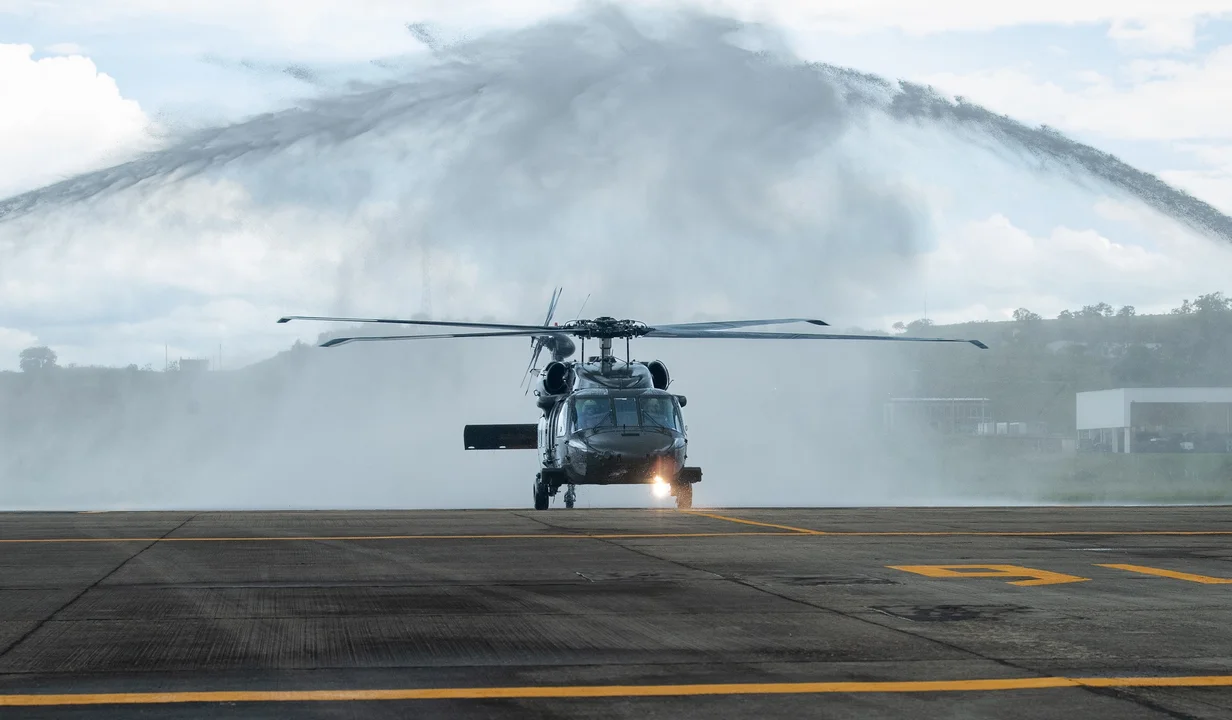
The Brazilian Army (Exército Brasileiro, EB) has formally received its first UH-60M Black Hawk, marking the start of the induction of a 12-helicopter fleet acquired through the United States’ Foreign Military Sales (FMS) system. The delivery represents a turning point in the modernization of the EB’s rotary-wing aviation and enables the definitive transition away from the aging UH-60L and the French-designed HM-3 Cougar, whose retirement had already been anticipated.
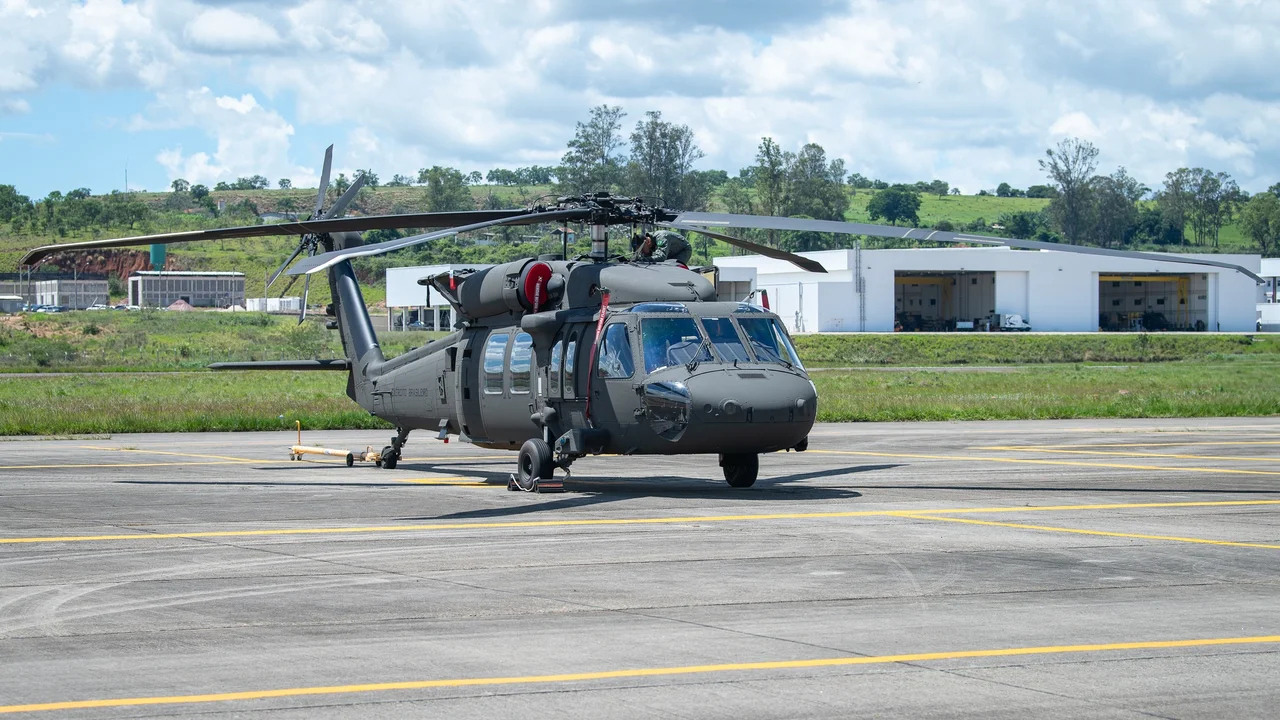
The aircraft, integrated by Sikorsky in the United States and transported to Brazil aboard a C-17 Globemaster III, is now entering its evaluation and operational introduction phase at the Army Aviation Command (CAvEx) in Taubaté. Once this process is completed, it will be deployed to Manaus, where it will strengthen the capabilities of the 4th Army Aviation Battalion, a key unit for operations in the Amazon region.
Operational capabilities: power, reach, and survivability
The UH-60M variant represents the most advanced evolution of the Black Hawk currently in regular service. In the Brazilian case, the selection of this model responds to highly specific operational requirements: operations in hot and humid environments, over long distances, with limited infrastructure, and a strong demand for dual-use missions, both military and in support of the civilian population.
Powered by General Electric T700-GE-701D engines, the UH-60M delivers a substantial increase in power compared to the UH-60L, improving payload margins and safety in hot-and-high conditions—a critical factor for operations in the Amazon rainforest. It can carry up to 11 fully equipped troops, conduct aeromedical evacuation, search and rescue (SAR) missions, air assault insertions, and logistical transport, including external sling loads.
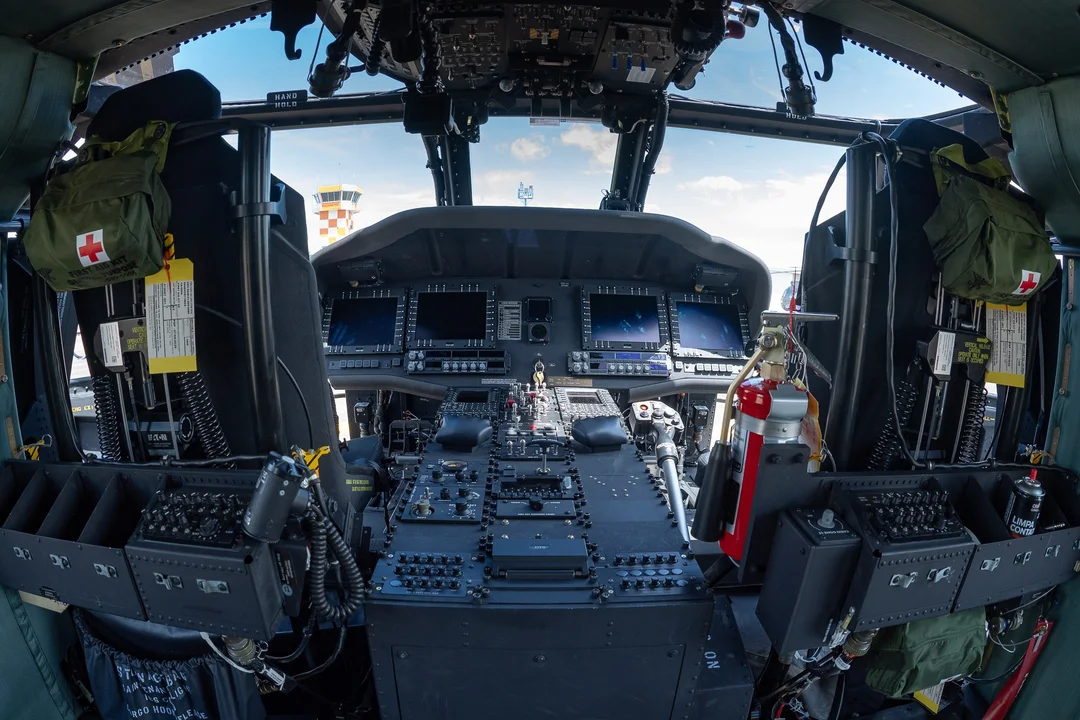
The cockpit features full glass digital avionics, a four-axis autopilot, advanced navigation systems, and full NVG compatibility, consolidating its role in night and degraded-visibility operations. The system architecture also facilitates the integration of equipment such as FRIES, external hoists, and mission planning systems (AMPS), aligning the EB with NATO and U.S. operational standards.
How it compares with the EB’s current helicopters
Compared to the UH-60L, the technological leap is clear. While the L models, introduced in the late 1990s, were pioneers in bringing night operations capability to the EB, they now operate with virtually exhausted growth margins and have accumulated more than 16,000 flight hours.
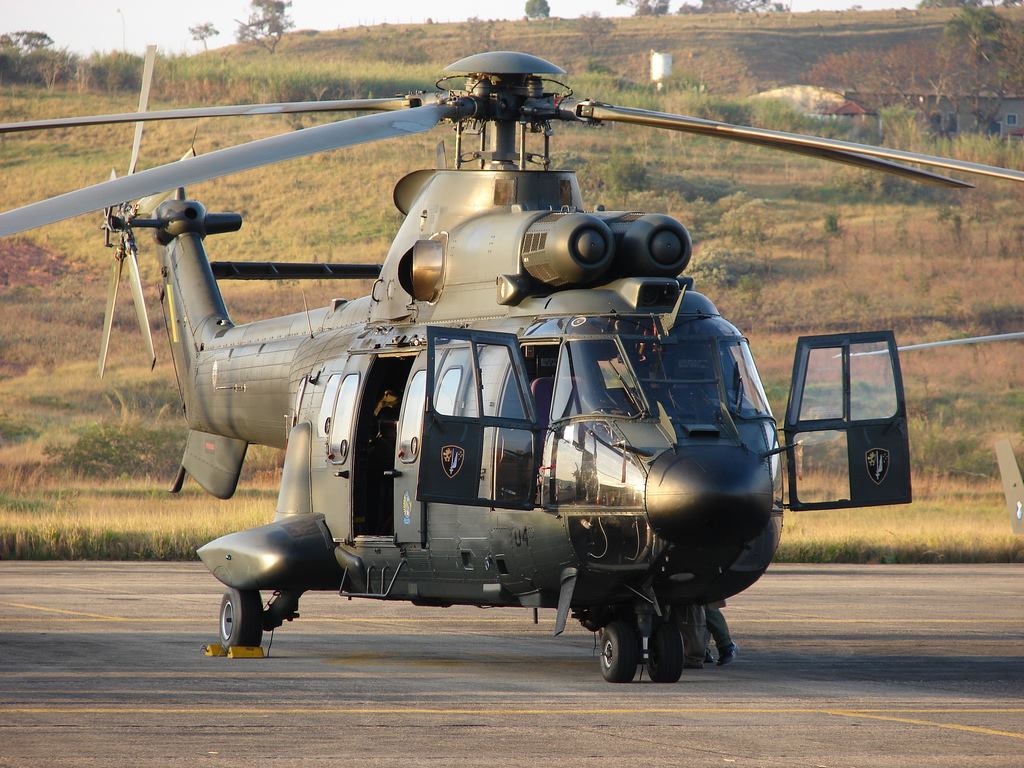
When set against European-origin medium helicopters such as the H225M/HM-3 Cougar, the UH-60M offers greater logistical standardization, a proven global support ecosystem, and more direct integration with U.S. systems—particularly relevant in combined or multinational scenarios. In exchange, it sacrifices some internal volume and range compared to larger platforms, a known limitation that the EB has accepted in favor of versatility and availability.
Program context: FMS, timelines, and fleet transition
The acquisition was authorized by Washington in 2024, with a package valued at up to USD 950 million, including aircraft, training, spare parts, and logistical support. The delivery of the first aircraft confirms that the program is progressing within the planned timeline.
The schedule foresees phased deliveries between 2026 and 2027, during which the Army will have to manage a complex transition: operating UH-60L, UH-60M, and Cougar helicopters in parallel, each with different logistics chains, training requirements, and doctrines. The initial concentration of the new Black Hawks in the Amazon region points to a clear prioritization of the most demanding operational theater.